01 // The Brief
An Australian bike shop wanted to maximize marketing ROI using three years of CRM data. Goals: identify yearly and monthly sales trends, find profitable customer segments and bike lines, and pin down an ideal customer profile for acquisition campaigns.
02 // Methods
The KPMG-provided dataset included Customer Demographic, Customer Address, Transactions, and a New Customer List. Standard pipeline: shape the data in Pandas, build SQL-style joins on customer IDs, visualize with matplotlib, and cross-cut by wealth segment, age, and bike type.
03 // Findings
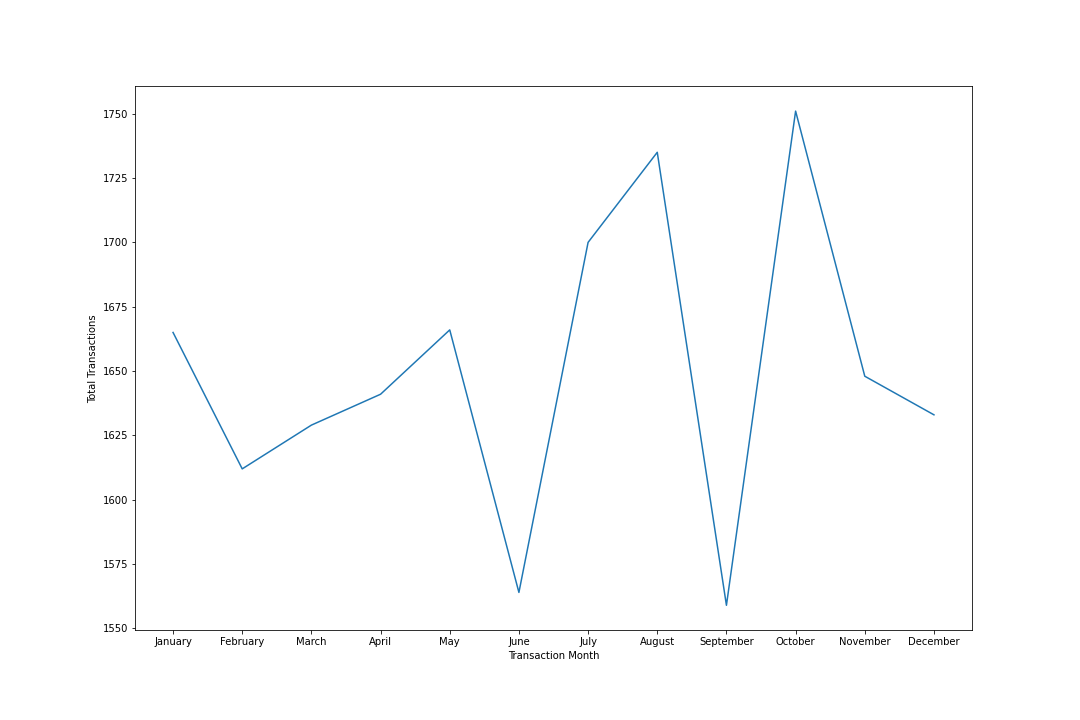
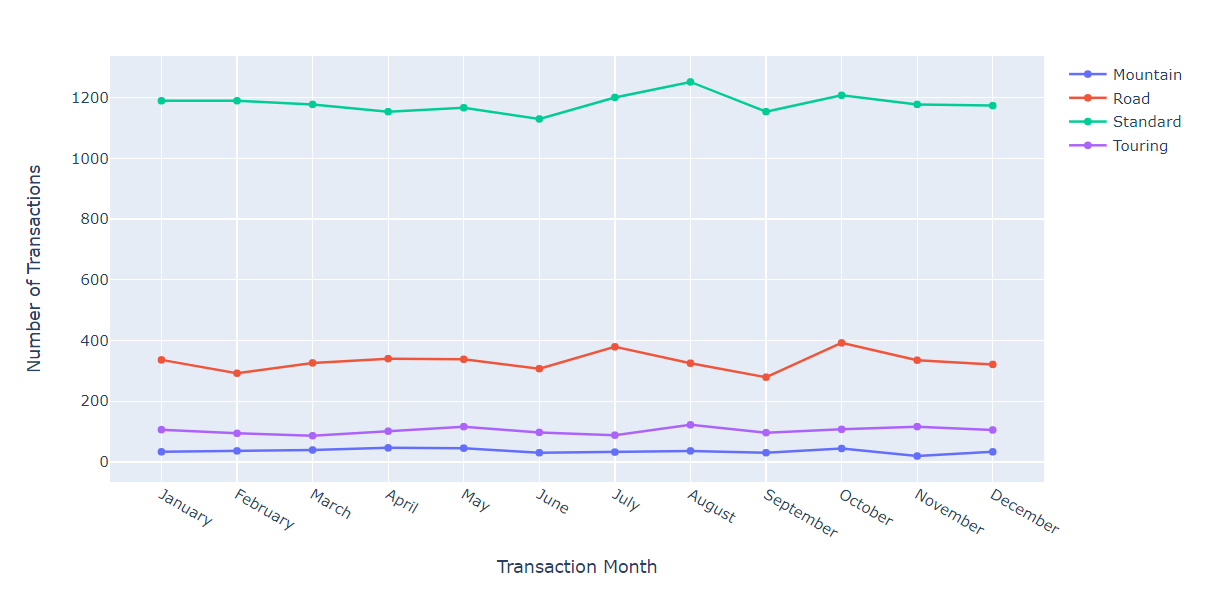
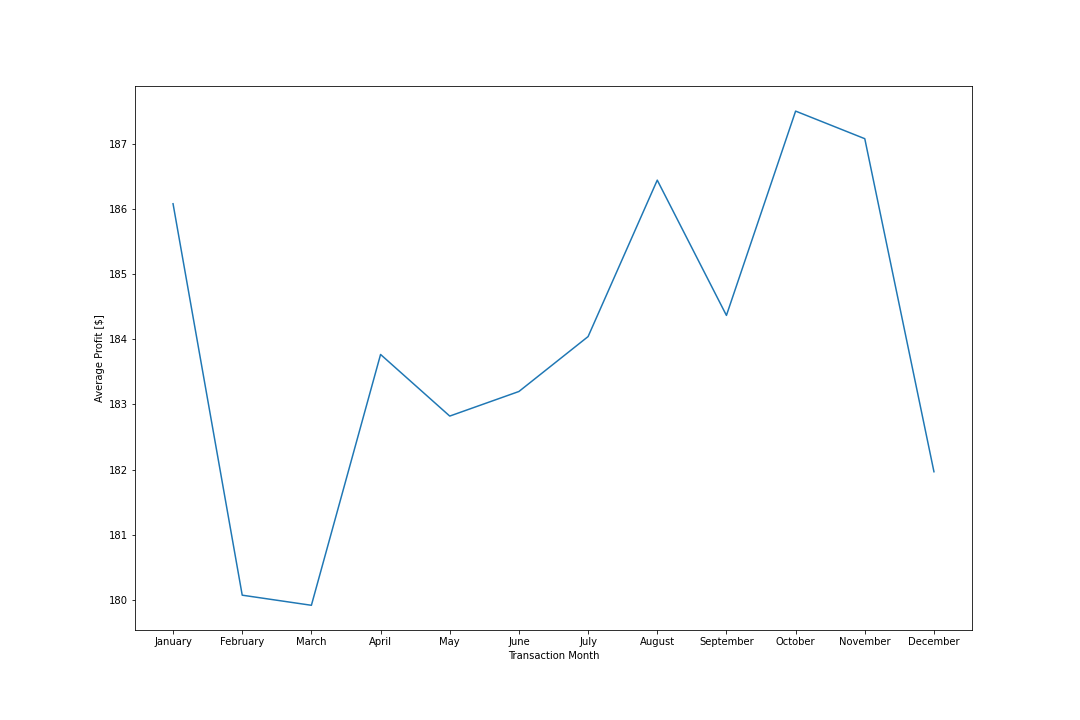
- Seasonality — two seasonal sales spikes: a summer ramp June–September, and a holiday ramp October–December.
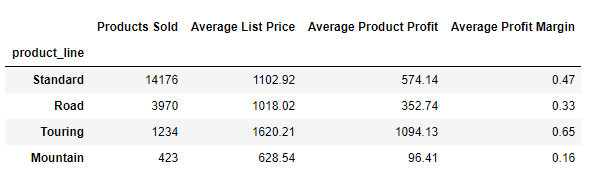
- Product mix — most volume came from standard and road bikes, but mountain and road bikes carried the highest margin per unit.
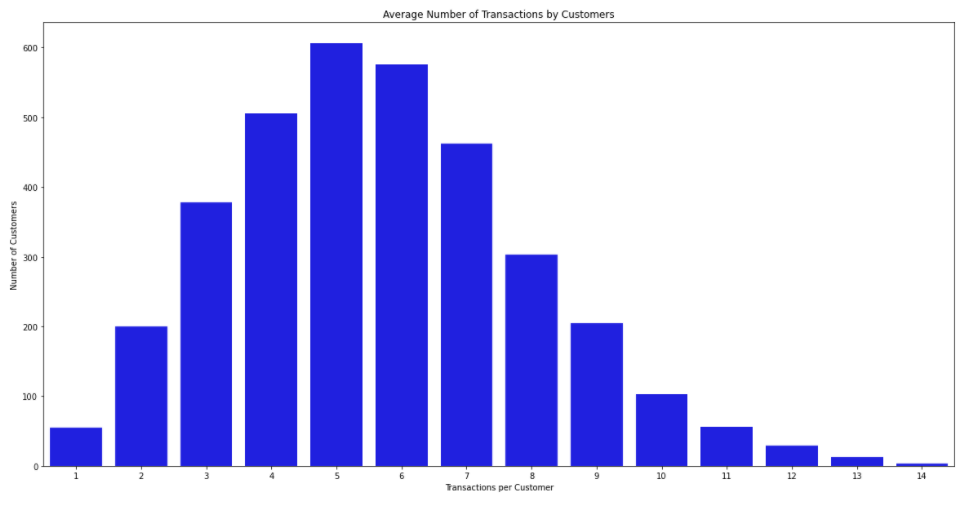
- Purchase frequency — most customers bought 3–8 bikes in three years, or roughly 1–3 per year.
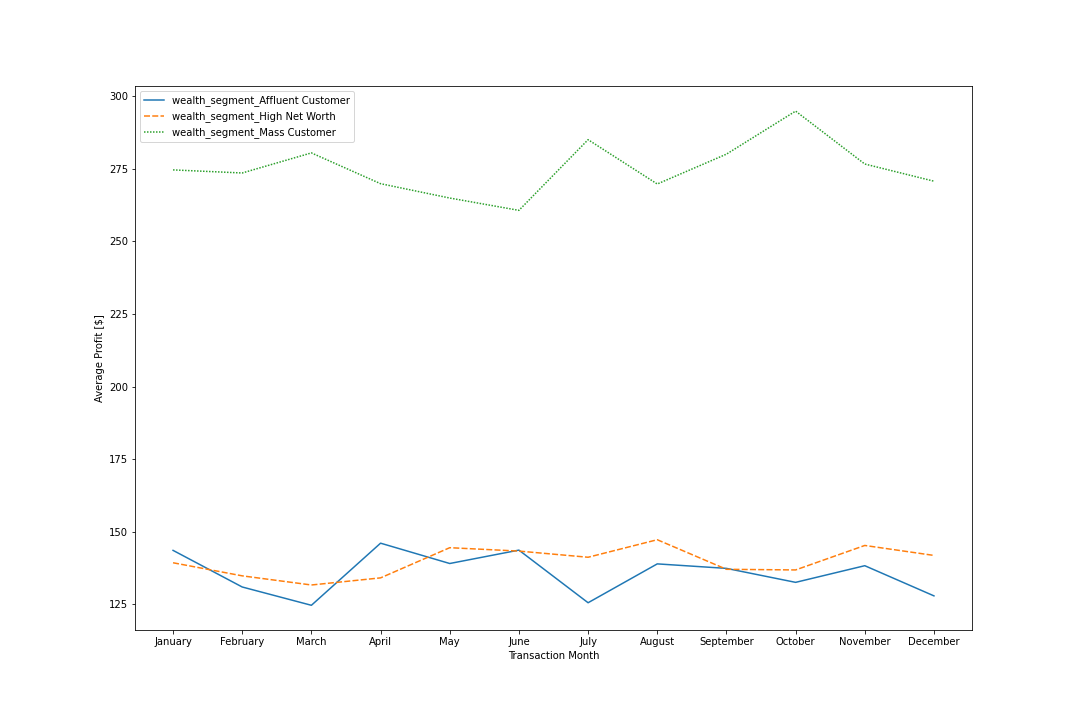
- Wealth segment surprise — the "mass customer" segment was twice as profitable per customer as "affluent" or "high net worth".
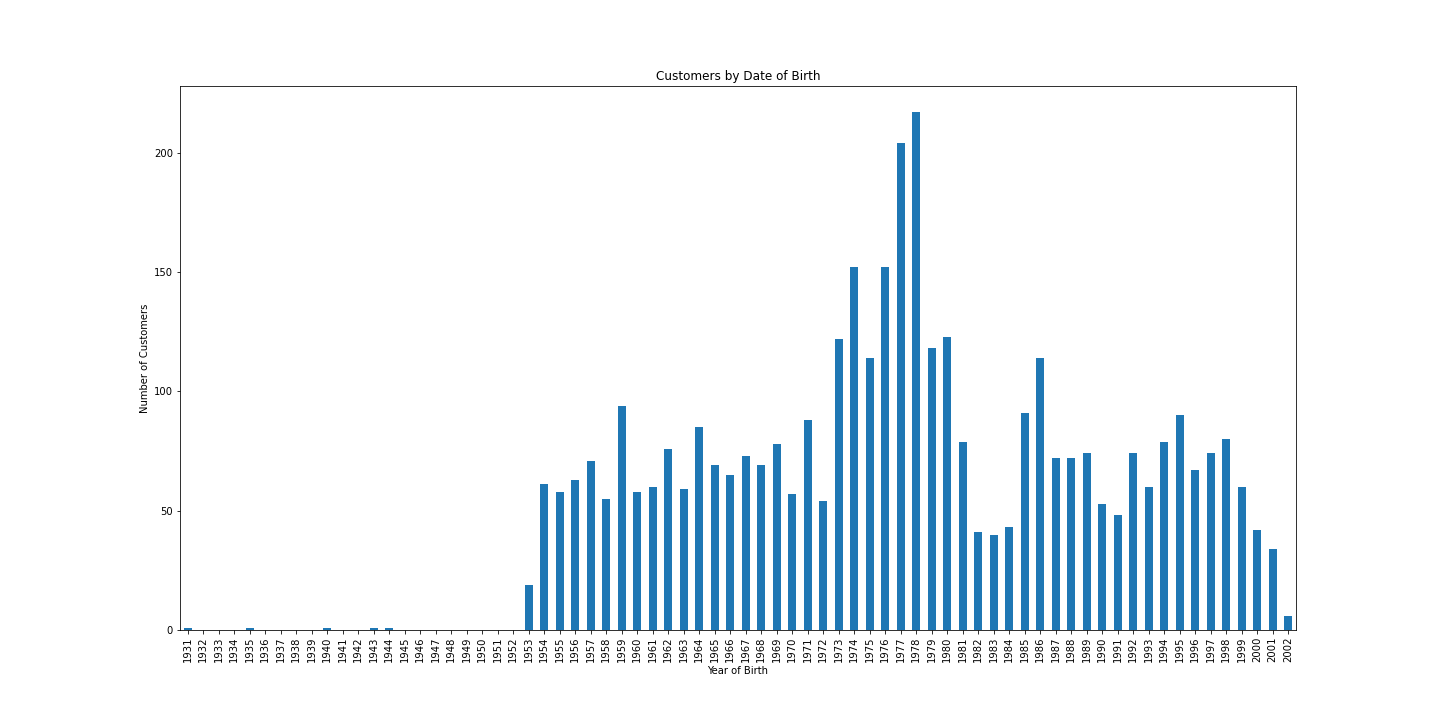
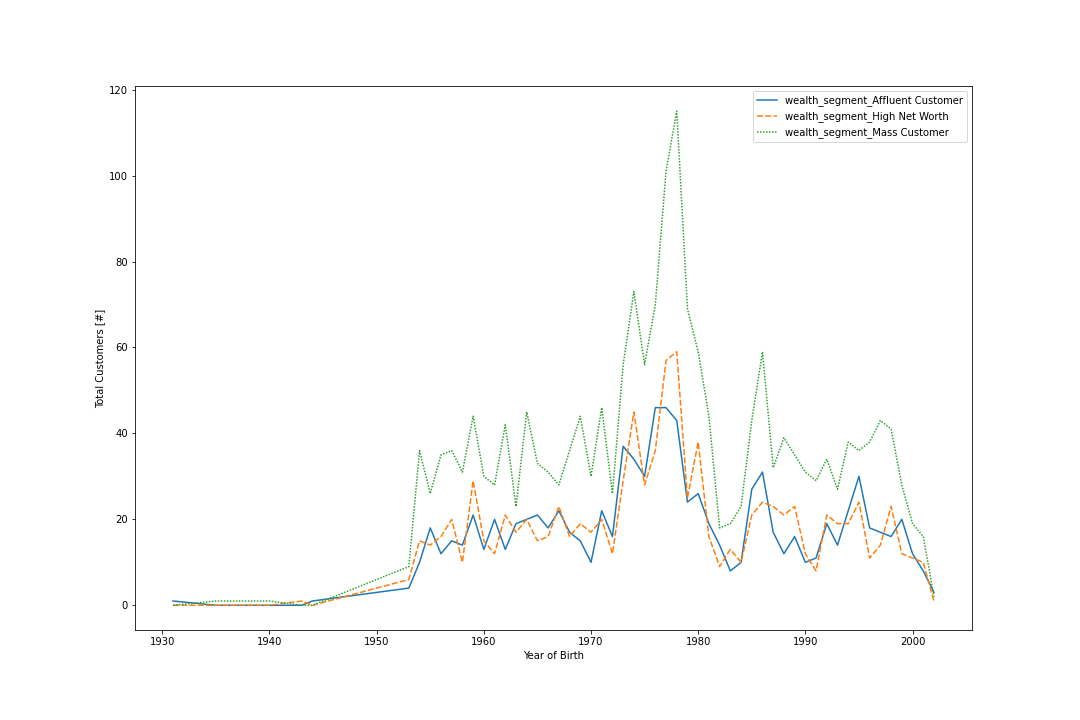
- Age — the 40–50 age bracket was the largest and most profitable band.
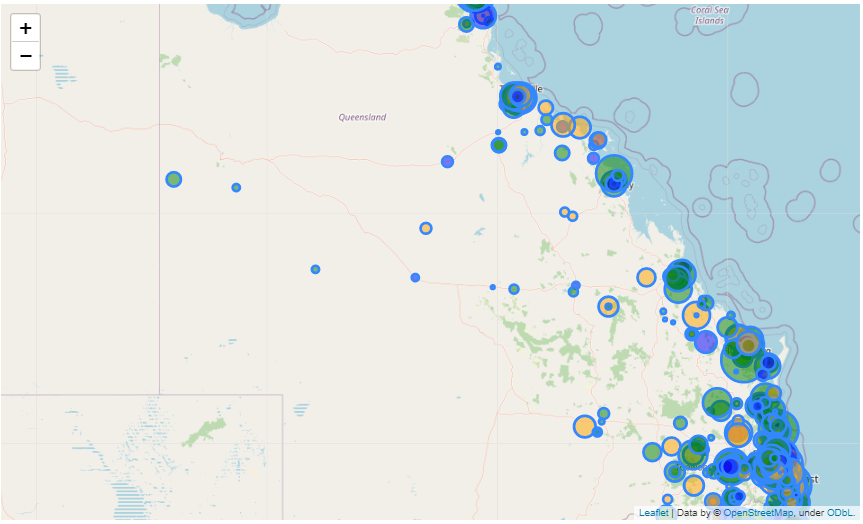
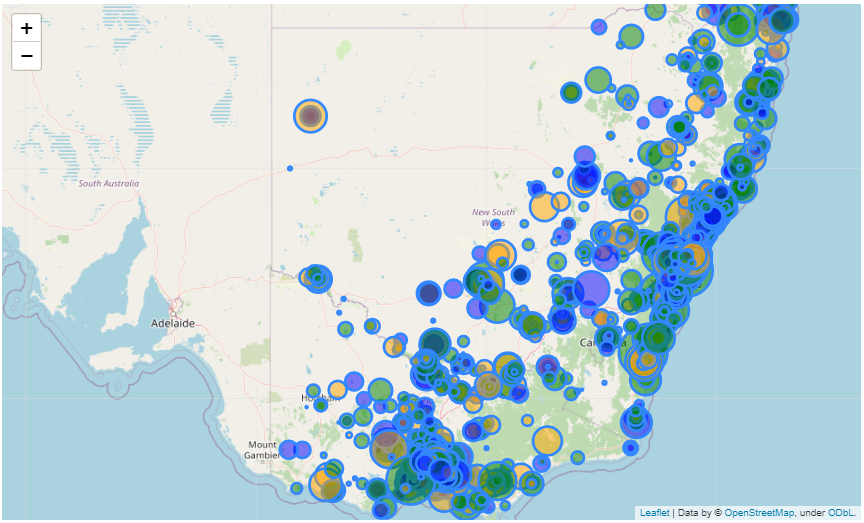
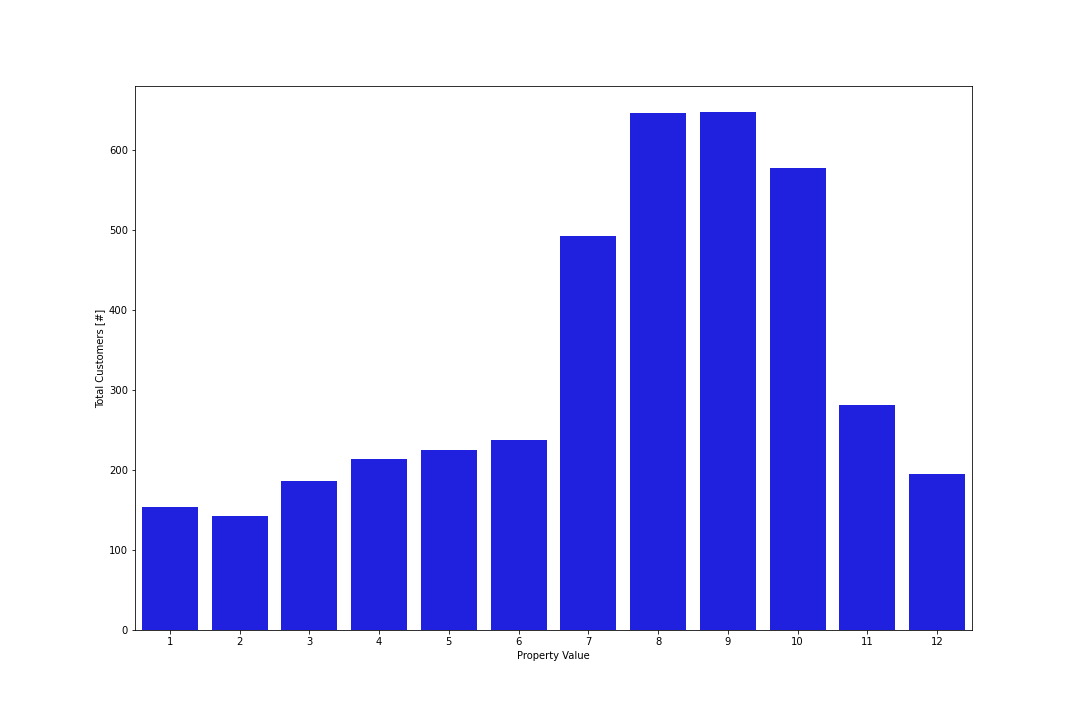
- Geography — no strong regional pattern beyond coastal concentration; property-value band 7–11 was the sweet spot.
04 // The Ideal Customer Profile
05 // Takeaway
The counterintuitive finding — that the middle-wealth segment outperformed wealthier buyers — is the kind of signal CRM data surfaces that gut instinct misses. Family bike purchases (age 40–50, "biking together" life stage) plausibly drive both the purchase count and the mass-customer profit dominance. Marketing spend and product line focus both fall out of that profile naturally.